Why Is 3D Scanning Essential for Modern Designers
Just How 3D Laser Scanning Reinvents Architectural Design and Construction Projects
3D laser scanning is transforming the landscape of building layout and building. This modern technology provides exceptional accuracy in recording existing atmospheres, which helps with much better job preparation and execution. It minimizes errors while improving performance in different phases of growth. The ramifications for collaboration amongst architects, engineers, and other stakeholders are significant. These innovations open the door to new design opportunities and cutting-edge options. What exists in advance for this advancing modern technology?
The Basics of 3D Laser Scanning Technology
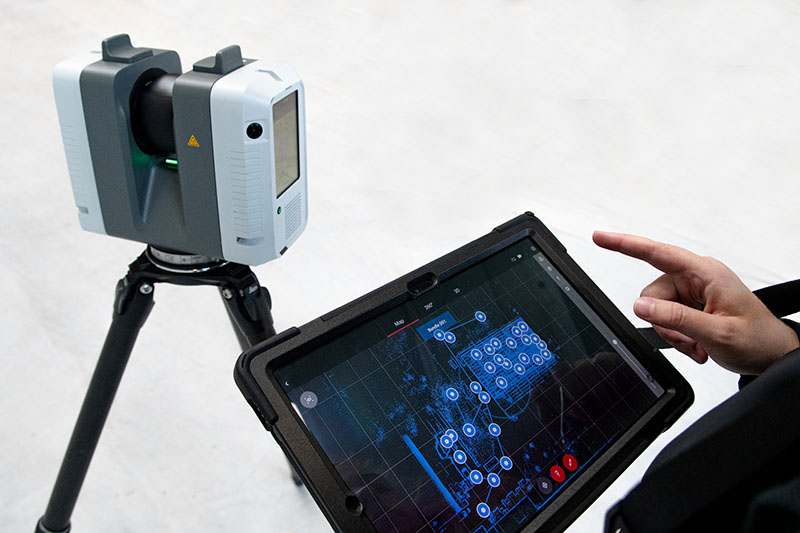
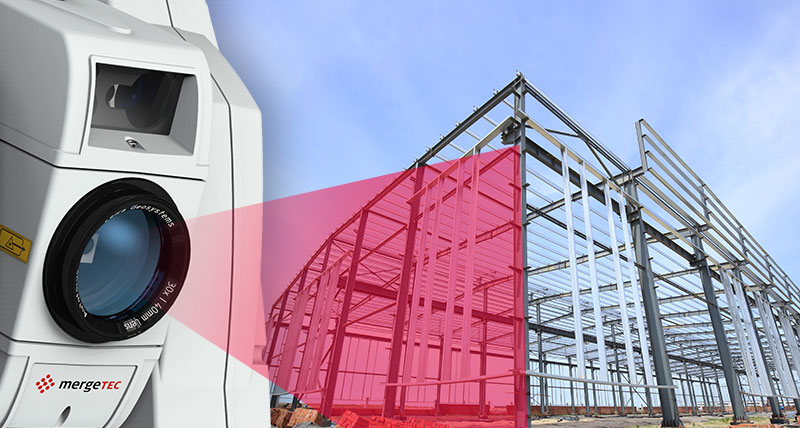
3D laser scanning modern technology might appear complex, its core concepts are simple and transformative for architectural layout. This modern technology utilizes laser light beams to catch precise dimensions of physical structures, producing an in-depth factor cloud that represents the scanned setting. A laser scanner discharges rapid pulses of light, measuring the time it takes for the light to return, which permits the estimation of distances with amazing precision.
The resulting factor cloud can be transformed right into a 3D model, giving engineers with vital aesthetic information. This design makes it possible for professionals to control and evaluate layout elements within their tasks, permitting ingenious remedies and enhanced visualization. By employing 3D laser scanning, architects can much better recognize the present conditions of a website, guaranteeing that brand-new styles balance with their surroundings. This integration of innovation right into architectural design marks a substantial advancement, fostering creativity and precision in the field.

Enhancing Accuracy and Effectiveness in Architectural Projects
As architectural tasks progressively demand precision and speed, 3D laser scanning becomes a pivotal device in boosting both accuracy and performance. This innovation catches countless data points in a brief duration, producing thorough and precise 3D designs of existing frameworks. The capability to get precise measurements minimizes the risk of errors during the style stage, permitting designers to visualize their jobs with unparalleled quality.
In addition, the rapid data collection process minimizes the time invested on-site, allowing groups to focus on evaluation and design improvements. With real-time information availability, modifications can be made quickly, promoting a more structured process. The combination of 3D laser scanning into building techniques not only enhances dimension precision yet likewise boosts the overall job timeline, facilitating quicker decision-making. In a sector where precision is important, this innovation stands as a transformative force, elevating the criteria of architectural layout and building projects.
Improving Collaboration Amongst Stakeholders
While traditional architectural procedures commonly include fragmented interaction amongst stakeholders, 3D laser scanning promotes a more cohesive collaborative environment. By offering specific, high-resolution data, this innovation permits designers, professionals, designers, and customers to operate from a unified point of reference. The in-depth visualizations produced with laser scanning remove misinterpretations and ambiguities, guaranteeing that all events have accessibility to the very same details.
This transparency improves decision-making and motivates timely comments, as stakeholders can conveniently imagine design elements and spatial relationships. Furthermore, the integration of 3D scanning information right into Building Info Modeling (BIM) platforms even more improves cooperation, enabling real-time updates and modifications. Such smooth interaction not only lessens problems yet likewise speeds up job timelines, as all stakeholders remain straightened throughout the style and building and construction stages. Inevitably, 3D laser scanning transforms traditional process right into an extra effective and joint process, benefiting all events included.
Unlocking Creative Opportunities in Style
By enabling engineers to visualize intricate spatial connections and intricate information, 3D laser scanning discloses imaginative opportunities in design. this hyperlink This modern technology permits precise mapping of existing atmospheres, making it possible for designers to explore cutting-edge ideas that could have previously seemed impractical. With extremely accurate data, developers can explore unconventional types and products, pushing my sources the limits of traditional design.
The integration of 3D laser scanning right into the layout process fosters partnership among multidisciplinary teams, encouraging the exchange of ideas and improving creative thinking. The detailed visualizations created by this innovation not only help in identifying potential style difficulties yet also inspire services that could not have actually been considered. As a result, architects can produce extra appealing and vibrant rooms that reverberate with individuals while meeting functional requirements. Ultimately, 3D laser scanning transforms the architectural landscape, empowering designers to realize their visions with unprecedented precision and creative thinking.
The Future of 3D Laser Scanning in Architecture and Construction
The integration of 3D laser scanning right into architectural design not just boosts creativity yet likewise sets the stage for its advancing function in the future of architecture and construction. As technology developments, the accuracy and performance of laser scanning will proceed to enhance, enabling engineers and building contractors to produce more intricate styles with precision - 3D Scanning. Making use of this innovation in real-time data collection will certainly assist in better decision-making, lowering errors and improving operations
Future applications may consist of online and increased truth assimilations, enabling stakeholders to visualize jobs in immersive environments. Furthermore, as sustainability becomes a concern, 3D laser scanning will certainly support the advancement of energy-efficient designs by supplying detailed insights right into existing structures. As collaboration among various self-controls comes to be more important, the capability to share specific 3D models will foster technology and enhance job end results. Inevitably, 3D laser scanning will redefine requirements in building layout and construction methods.
Often Asked Inquiries
What Is the Expense of Implementing 3D Laser Scanning Technology?
The length of time Does a Typical 3D Laser Scanning Job Take?
A typical 3D laser scanning task can take anywhere from a few hours to several days, depending upon variables such as the project's size, complexity, and the level of information required for accurate information capture.
What Kinds Of Projects Benefit A Lot Of From 3D Laser Scanning?
3D laser scanning advantages numerous jobs, specifically large-scale constructions, historical repairs, and intricate remodellings. It enhances accuracy in dimensions, lowers errors, and offers comprehensive data vital for effective preparation and execution in architectural design and construction.
Exist Details Software Programs Required for 3D Laser Scans?
Yes, particular software program programs are crucial for processing 3D laser scans. 3D Scanning. Popular alternatives consist of Autodesk Wrap-up, Faro Scene, and Leica Cyclone, each offering unique features customized for picturing and examining checked information effectively in numerous tasks
Exactly How Does 3D Laser Scanning Influence Environmental Sustainability in Building And Construction?
3D laser scanning enhances ecological sustainability in building by decreasing product waste, making it possible for exact measurements, and promoting efficient resource usage. This modern technology allows for better planning, reducing the eco-friendly footprint of building projects through boosted precision and efficiency.
3D laser scanning is changing the landscape of building style and construction. 3D laser scanning innovation may seem facility, its core principles are uncomplicated and transformative for architectural design. By allowing architects to envision complicated complex details and spatial partnerships, 3D laser scanning exposes creative opportunities in design. The assimilation of 3D laser scanning into the design process promotes collaboration amongst multidisciplinary groups, urging the exchange of ideas and boosting imagination. The assimilation of 3D laser scanning right into building layout not only boosts imagination but additionally sets the phase for its developing role in the future of style and building.